

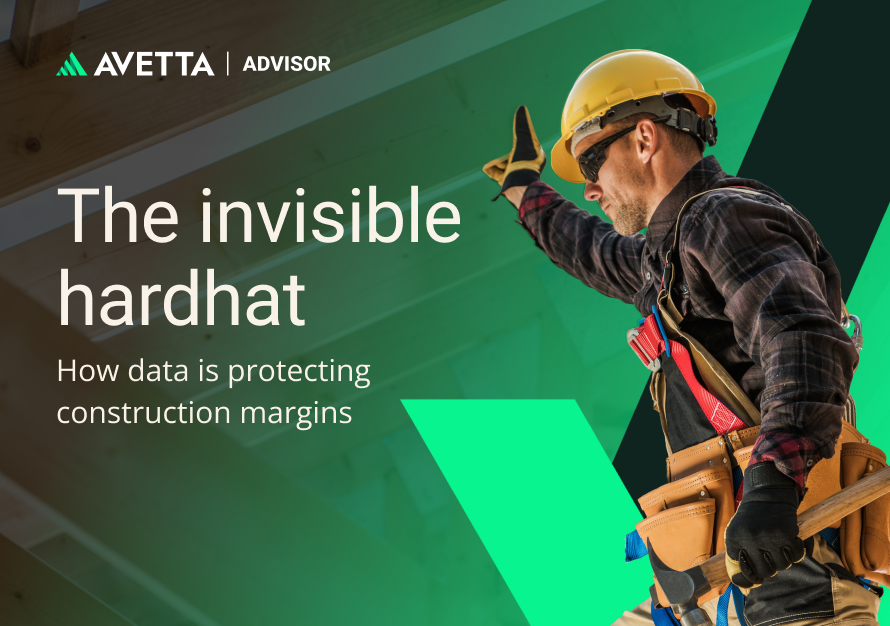
In commercial construction, physical safety is non-negotiable.
No one steps onto a job site without a hardhat, steel-toed boots, and high-visibility gear.
Readiness is verified — every single day.
But when it comes to protecting the project itself, the schedule, the margins, the liability, we often rely on something far less reliable: paperwork.
A Certificate of Insurance gets collected, filed away, and treated as proof the job is covered.
But a static PDF doesn’t build a building.
It doesn’t tell you if the Tier 3 subcontractor on site today has expired certifications, a pattern of safety violations, or financial instability.
It doesn’t help you prevent risk.
It only helps explain it after something goes wrong.
That’s not protection. That’s reaction.
The reality on today’s job sites
Modern commercial construction is more complex, and more fragile, than ever.
- Margins are under pressure
With fluctuating material costs and tight labor markets, there’s little room for error. Rework caused by unqualified subcontractors can erode margins fast. - Schedules are interconnected
One unverified contractor doesn’t just delay a task — it creates a ripple effect across every trade that follows. - Visibility is limited
The workers doing the job are often multiple tiers removed from the original vetting process.
And yet, many projects are still managed using static, outdated data.
That gap between what’s on paper and what’s happening on site is where risk lives.
From paper shield to real-time visibility
Closing that gap requires more than digitizing documents.
It requires real-time, connected data that reflects what’s actually happening across your supply chain.
That’s where expertise matters.
With over 15 years of boots-on-the-ground construction experience, our construction industry subject matter expert, Aaron Gerrets, helps ensure that our platform solves real job site challenges, not just administrative ones.
“In construction, risk doesn’t only show up on paper, it shows up on site. If you don’t have real-time visibility into subcontractor qualifications, you’re not managing risk, you’re reacting to it.”— Aaron Gerrets, Industry SME, Avetta
Technology alone isn’t enough.
That’s why data is paired with human expertise, from industry specialists to dedicated Risk Advisory teams, so organizations can interpret signals, act earlier, and move forward with confidence.
A stronger foundation for suppliers
This shift isn’t just about reducing risk. It’s about raising the bar.
For subcontractors and suppliers, data-driven verification creates a clear opportunity to stand out.
When hiring clients map their supply chain, they’re not just filtering out risk, they’re identifying partners they can rely on.
A verified, complete profile becomes more than a requirement.
It becomes proof of capability.
Proof of reliability.
Proof that you’re ready to perform when it matters most.
The Result: From Paperwork to Performance
When you replace static documents with active data, everything changes.
You move from managing paperwork to managing performance.
You reduce delays before they happen — not after.
You protect margins from hidden costs.
And you ensure that every worker on site — regardless of employer — is verified, qualified, and ready to work.

