
Cybersecurity

AI Went Offline and Its Infrastructure Could Be Next 

Cloudflare’s outage exposed a bigger risk: data centers depend on fragile contractor networks. Learn why human error and labor shortages could trigger the next infrastructure crisis — and how to prevent it. 

Mike Nassis
time icon
min read
Reserve your copy

Nobody Thought Cloudflare Would Go Down Either.

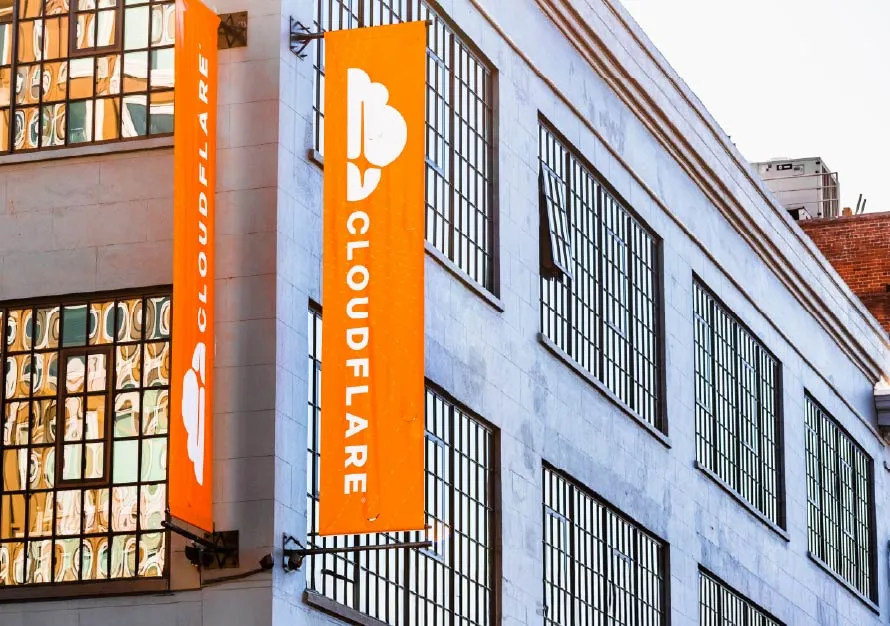
For three hours on November 18, 2025, Cloudflare stopped working — and took half the internet with it.

ChatGPT and Claude vanished. X crashed. Shopify couldn't sell anything. Companies built entirely on Cloudflare just watched their services die.

Here's what nobody wants to admit: if you're running a data center, you're one phone call away from the same thing. Except it won't be Cloudflare that fails you.

It'll be Dave from ACME HVAC who loses his certification on a Tuesday.

Your cooling systems need maintenance. Server temps climb. You've got hours before everything shuts down, and customers start screaming. How long to find someone else? Someone qualified? Someone who can get on site before your SLAs turn into lawsuits?

Yeah. That's the problem.

The Part Nobody Talks About

Data center downtime is expensive. What they don't talk about is how often the crisis starts with something easily preventable. A contractor's insurance lapses. An electrician gets shut down by OSHA. A fire suppression company goes bankrupt.

Nearly 40% of data center outages over the past three years trace back to human error. And contractors are often at the center of it.  

It's About to Get Worse

Goldman Sachs says power demand will jump 175% by 2030. Eight out of thirteen US power markets are already running on fumes.

So data centers are building their own power plants. Texas has 38 sites generating power. Everyone else is catching up. Gas turbines, fuel cells, solar arrays, even small nuclear reactors. In fact, nearly 40% of data center facilities are expected to use some onsite generation for primary power in the coming years, while over a quarter are expected to be fully powered by onsite generation.  

Which means you're juggling two massive construction projects during a skilled labor shortage with contractors stretched thinner than ever.

Goldman Sachs calls it a "people availability" problem. That's corporate speak for "there aren't enough qualified people to do this safely."

Three Disasters Waiting to Happen

Scenario 1: Your cooling contractor loses their license mid-project.
The HVAC system keeping your servers from melting needs work. The contractor who knows your setup can't legally touch it. Qualification takes weeks. You're burning thousands per hour in degraded performance and emergency measures while you figure this out.

Scenario 2: Your electrician gets flagged by OSHA. They're halfway through upgrading your power infrastructure when they get shut down for a safety violation elsewhere. Your new server deployment hits a wall. The capacity you promised? Not happening.

Scenario 3: Your fire suppression contractor's insurance expires.
You find out during an audit. Your facility certification is in question. You've got 30 days to find someone new or regulators shut you down.

When a minute of downtime at data centers costs $9,000, the urge to act fast becomes imperative. For those in the industry, these scenarios are just another Tuesday in data center operations.

The Cloudflare Problem

Most operators handle contractors the same way companies handled Cloudflare. Everything's fine until it isn't.

No centralized view of who's certified, insured, or qualified. No backup plan. No early warning system. Just blind trust.

That worked when you built one facility every few years with contractors you'd known forever. It doesn't work when you're spinning up ten facilities simultaneously, each with its own power plant, during a labor shortage.

What Actually Works

quote icon
Your data center runs on 99.99% uptime. Your contractor network should too.

See everything in real-time: Certifications, insurance, safety records, and more across every contractor at every site. Before problems become emergencies.

Have alternatives ready: Prequalified contractors who've been vetted, know your systems, and can deploy in days. People you can actually call when things go sideways.

Know who's actually good: High-energy infrastructure work isn't forgiving. You need contractors with the safety culture and technical capability to do it right. You can't paperwork your way out of incompetence.

Here's What Changes

Avetta built the infrastructure for this.

Our Safety Maturity Index tracks leading indicators like near-miss reports — not just boxes checked. Field audits ensure controls work in real conditions. A vetted, ready-to-work community of 130,000+ prequalified professionals gives you alternatives when contractors fail. We pair you with dedicated risk experts who provide strategic guidance.

Organizations using our solution experience less downtime, fewer fines, and fewer incidents. They see problems coming and have alternatives ready.

The AI Boom Isn't Slowing Down

The operators who get contractor management right will build faster, avoid catastrophic failures, and win more business. The ones treating contractors like Cloudflare dependencies risk watching projects stall, facilities shut down, and customers leave.

Cloudflare's outage proved single points of failure cascade fast. Your contractor network is infrastructure. It deserves the same redundancy, visibility, and planning as everything else you've built.

Because when your HVAC contractor fails, you won't have three hours to fix it. You'll have minutes before servers start cooking and customers start looking for your replacement.

Ready to ensure your contractor network has the same uptime standards as your data center? Let's talk.

sweepstake tag icon
Cybersecurity
Mike Nassis is a product marketing professional with over 10 years of experience in software and services. As an industry product marketing manager, he specializes in developing vertical-specific strategies and messaging that address unique industry challenges to drive meaningful business outcomes and accelerate market adoption.
Cybersecurity
AI Went Offline and Its Infrastructure Could Be Next 

Cloudflare’s outage exposed a bigger risk: data centers depend on fragile contractor networks. Learn why human error and labor shortages could trigger the next infrastructure crisis — and how to prevent it. 

Mike Nassis
time icon
min read
quote icon
Your data center runs on 99.99% uptime. Your contractor network should too.
,

See everything in real-time: Certifications, insurance, safety records, and more across every contractor at every site. Before problems become emergencies.

Have alternatives ready: Prequalified contractors who've been vetted, know your systems, and can deploy in days. People you can actually call when things go sideways.

Know who's actually good: High-energy infrastructure work isn't forgiving. You need contractors with the safety culture and technical capability to do it right. You can't paperwork your way out of incompetence.

Here's What Changes

Avetta built the infrastructure for this.

Our Safety Maturity Index tracks leading indicators like near-miss reports — not just boxes checked. Field audits ensure controls work in real conditions. A vetted, ready-to-work community of 130,000+ prequalified professionals gives you alternatives when contractors fail. We pair you with dedicated risk experts who provide strategic guidance.

Organizations using our solution experience less downtime, fewer fines, and fewer incidents. They see problems coming and have alternatives ready.

The AI Boom Isn't Slowing Down

The operators who get contractor management right will build faster, avoid catastrophic failures, and win more business. The ones treating contractors like Cloudflare dependencies risk watching projects stall, facilities shut down, and customers leave.

Cloudflare's outage proved single points of failure cascade fast. Your contractor network is infrastructure. It deserves the same redundancy, visibility, and planning as everything else you've built.

Because when your HVAC contractor fails, you won't have three hours to fix it. You'll have minutes before servers start cooking and customers start looking for your replacement.

Ready to ensure your contractor network has the same uptime standards as your data center? Let's talk.

Nobody Thought Cloudflare Would Go Down Either.

For three hours on November 18, 2025, Cloudflare stopped working — and took half the internet with it.

ChatGPT and Claude vanished. X crashed. Shopify couldn't sell anything. Companies built entirely on Cloudflare just watched their services die.

Here's what nobody wants to admit: if you're running a data center, you're one phone call away from the same thing. Except it won't be Cloudflare that fails you.

It'll be Dave from ACME HVAC who loses his certification on a Tuesday.

Your cooling systems need maintenance. Server temps climb. You've got hours before everything shuts down, and customers start screaming. How long to find someone else? Someone qualified? Someone who can get on site before your SLAs turn into lawsuits?

Yeah. That's the problem.

The Part Nobody Talks About

Data center downtime is expensive. What they don't talk about is how often the crisis starts with something easily preventable. A contractor's insurance lapses. An electrician gets shut down by OSHA. A fire suppression company goes bankrupt.

Nearly 40% of data center outages over the past three years trace back to human error. And contractors are often at the center of it.  

It's About to Get Worse

Goldman Sachs says power demand will jump 175% by 2030. Eight out of thirteen US power markets are already running on fumes.

So data centers are building their own power plants. Texas has 38 sites generating power. Everyone else is catching up. Gas turbines, fuel cells, solar arrays, even small nuclear reactors. In fact, nearly 40% of data center facilities are expected to use some onsite generation for primary power in the coming years, while over a quarter are expected to be fully powered by onsite generation.  

Which means you're juggling two massive construction projects during a skilled labor shortage with contractors stretched thinner than ever.

Goldman Sachs calls it a "people availability" problem. That's corporate speak for "there aren't enough qualified people to do this safely."

Three Disasters Waiting to Happen

Scenario 1: Your cooling contractor loses their license mid-project.
The HVAC system keeping your servers from melting needs work. The contractor who knows your setup can't legally touch it. Qualification takes weeks. You're burning thousands per hour in degraded performance and emergency measures while you figure this out.

Scenario 2: Your electrician gets flagged by OSHA. They're halfway through upgrading your power infrastructure when they get shut down for a safety violation elsewhere. Your new server deployment hits a wall. The capacity you promised? Not happening.

Scenario 3: Your fire suppression contractor's insurance expires.
You find out during an audit. Your facility certification is in question. You've got 30 days to find someone new or regulators shut you down.

When a minute of downtime at data centers costs $9,000, the urge to act fast becomes imperative. For those in the industry, these scenarios are just another Tuesday in data center operations.

The Cloudflare Problem

Most operators handle contractors the same way companies handled Cloudflare. Everything's fine until it isn't.

No centralized view of who's certified, insured, or qualified. No backup plan. No early warning system. Just blind trust.

That worked when you built one facility every few years with contractors you'd known forever. It doesn't work when you're spinning up ten facilities simultaneously, each with its own power plant, during a labor shortage.

What Actually Works

sweepstake tag icon
Cybersecurity
Mike Nassis is a product marketing professional with over 10 years of experience in software and services. As an industry product marketing manager, he specializes in developing vertical-specific strategies and messaging that address unique industry challenges to drive meaningful business outcomes and accelerate market adoption.
Cybersecurity
AI Went Offline and Its Infrastructure Could Be Next 

Cloudflare’s outage exposed a bigger risk: data centers depend on fragile contractor networks. Learn why human error and labor shortages could trigger the next infrastructure crisis — and how to prevent it. 

Get instant access
Mike Nassis
time icon
min read
Watch now
Player button
Cybersecurity
AI Went Offline and Its Infrastructure Could Be Next 

Cloudflare’s outage exposed a bigger risk: data centers depend on fragile contractor networks. Learn why human error and labor shortages could trigger the next infrastructure crisis — and how to prevent it. 

Speakers

Mike Nassis
time icon
min read
No items found.

Nobody Thought Cloudflare Would Go Down Either.

For three hours on November 18, 2025, Cloudflare stopped working — and took half the internet with it.

ChatGPT and Claude vanished. X crashed. Shopify couldn't sell anything. Companies built entirely on Cloudflare just watched their services die.

Here's what nobody wants to admit: if you're running a data center, you're one phone call away from the same thing. Except it won't be Cloudflare that fails you.

It'll be Dave from ACME HVAC who loses his certification on a Tuesday.

Your cooling systems need maintenance. Server temps climb. You've got hours before everything shuts down, and customers start screaming. How long to find someone else? Someone qualified? Someone who can get on site before your SLAs turn into lawsuits?

Yeah. That's the problem.

The Part Nobody Talks About

Data center downtime is expensive. What they don't talk about is how often the crisis starts with something easily preventable. A contractor's insurance lapses. An electrician gets shut down by OSHA. A fire suppression company goes bankrupt.

Nearly 40% of data center outages over the past three years trace back to human error. And contractors are often at the center of it.  

It's About to Get Worse

Goldman Sachs says power demand will jump 175% by 2030. Eight out of thirteen US power markets are already running on fumes.

So data centers are building their own power plants. Texas has 38 sites generating power. Everyone else is catching up. Gas turbines, fuel cells, solar arrays, even small nuclear reactors. In fact, nearly 40% of data center facilities are expected to use some onsite generation for primary power in the coming years, while over a quarter are expected to be fully powered by onsite generation.  

Which means you're juggling two massive construction projects during a skilled labor shortage with contractors stretched thinner than ever.

Goldman Sachs calls it a "people availability" problem. That's corporate speak for "there aren't enough qualified people to do this safely."

Three Disasters Waiting to Happen

Scenario 1: Your cooling contractor loses their license mid-project.
The HVAC system keeping your servers from melting needs work. The contractor who knows your setup can't legally touch it. Qualification takes weeks. You're burning thousands per hour in degraded performance and emergency measures while you figure this out.

Scenario 2: Your electrician gets flagged by OSHA. They're halfway through upgrading your power infrastructure when they get shut down for a safety violation elsewhere. Your new server deployment hits a wall. The capacity you promised? Not happening.

Scenario 3: Your fire suppression contractor's insurance expires.
You find out during an audit. Your facility certification is in question. You've got 30 days to find someone new or regulators shut you down.

When a minute of downtime at data centers costs $9,000, the urge to act fast becomes imperative. For those in the industry, these scenarios are just another Tuesday in data center operations.

The Cloudflare Problem

Most operators handle contractors the same way companies handled Cloudflare. Everything's fine until it isn't.

No centralized view of who's certified, insured, or qualified. No backup plan. No early warning system. Just blind trust.

That worked when you built one facility every few years with contractors you'd known forever. It doesn't work when you're spinning up ten facilities simultaneously, each with its own power plant, during a labor shortage.

What Actually Works

quote icon
Your data center runs on 99.99% uptime. Your contractor network should too.
,

See everything in real-time: Certifications, insurance, safety records, and more across every contractor at every site. Before problems become emergencies.

Have alternatives ready: Prequalified contractors who've been vetted, know your systems, and can deploy in days. People you can actually call when things go sideways.

Know who's actually good: High-energy infrastructure work isn't forgiving. You need contractors with the safety culture and technical capability to do it right. You can't paperwork your way out of incompetence.

Here's What Changes

Avetta built the infrastructure for this.

Our Safety Maturity Index tracks leading indicators like near-miss reports — not just boxes checked. Field audits ensure controls work in real conditions. A vetted, ready-to-work community of 130,000+ prequalified professionals gives you alternatives when contractors fail. We pair you with dedicated risk experts who provide strategic guidance.

Organizations using our solution experience less downtime, fewer fines, and fewer incidents. They see problems coming and have alternatives ready.

The AI Boom Isn't Slowing Down

The operators who get contractor management right will build faster, avoid catastrophic failures, and win more business. The ones treating contractors like Cloudflare dependencies risk watching projects stall, facilities shut down, and customers leave.

Cloudflare's outage proved single points of failure cascade fast. Your contractor network is infrastructure. It deserves the same redundancy, visibility, and planning as everything else you've built.

Because when your HVAC contractor fails, you won't have three hours to fix it. You'll have minutes before servers start cooking and customers start looking for your replacement.

Ready to ensure your contractor network has the same uptime standards as your data center? Let's talk.

Speakers

No items found.
sweepstake tag icon
Cybersecurity
Mike Nassis is a product marketing professional with over 10 years of experience in software and services. As an industry product marketing manager, he specializes in developing vertical-specific strategies and messaging that address unique industry challenges to drive meaningful business outcomes and accelerate market adoption.
Cybersecurity

AI Went Offline and Its Infrastructure Could Be Next 

Cloudflare’s outage exposed a bigger risk: data centers depend on fragile contractor networks. Learn why human error and labor shortages could trigger the next infrastructure crisis — and how to prevent it. 

Download now
Mike Nassis
time icon
min read
Cybersecurity
AI Went Offline and Its Infrastructure Could Be Next 

Cloudflare’s outage exposed a bigger risk: data centers depend on fragile contractor networks. Learn why human error and labor shortages could trigger the next infrastructure crisis — and how to prevent it. 

Mike Nassis
time icon
min read
quote icon
Your data center runs on 99.99% uptime. Your contractor network should too.
,

See everything in real-time: Certifications, insurance, safety records, and more across every contractor at every site. Before problems become emergencies.

Have alternatives ready: Prequalified contractors who've been vetted, know your systems, and can deploy in days. People you can actually call when things go sideways.

Know who's actually good: High-energy infrastructure work isn't forgiving. You need contractors with the safety culture and technical capability to do it right. You can't paperwork your way out of incompetence.

Here's What Changes

Avetta built the infrastructure for this.

Our Safety Maturity Index tracks leading indicators like near-miss reports — not just boxes checked. Field audits ensure controls work in real conditions. A vetted, ready-to-work community of 130,000+ prequalified professionals gives you alternatives when contractors fail. We pair you with dedicated risk experts who provide strategic guidance.

Organizations using our solution experience less downtime, fewer fines, and fewer incidents. They see problems coming and have alternatives ready.

The AI Boom Isn't Slowing Down

The operators who get contractor management right will build faster, avoid catastrophic failures, and win more business. The ones treating contractors like Cloudflare dependencies risk watching projects stall, facilities shut down, and customers leave.

Cloudflare's outage proved single points of failure cascade fast. Your contractor network is infrastructure. It deserves the same redundancy, visibility, and planning as everything else you've built.

Because when your HVAC contractor fails, you won't have three hours to fix it. You'll have minutes before servers start cooking and customers start looking for your replacement.

Ready to ensure your contractor network has the same uptime standards as your data center? Let's talk.

Nobody Thought Cloudflare Would Go Down Either.

For three hours on November 18, 2025, Cloudflare stopped working — and took half the internet with it.

ChatGPT and Claude vanished. X crashed. Shopify couldn't sell anything. Companies built entirely on Cloudflare just watched their services die.

Here's what nobody wants to admit: if you're running a data center, you're one phone call away from the same thing. Except it won't be Cloudflare that fails you.

It'll be Dave from ACME HVAC who loses his certification on a Tuesday.

Your cooling systems need maintenance. Server temps climb. You've got hours before everything shuts down, and customers start screaming. How long to find someone else? Someone qualified? Someone who can get on site before your SLAs turn into lawsuits?

Yeah. That's the problem.

The Part Nobody Talks About

Data center downtime is expensive. What they don't talk about is how often the crisis starts with something easily preventable. A contractor's insurance lapses. An electrician gets shut down by OSHA. A fire suppression company goes bankrupt.

Nearly 40% of data center outages over the past three years trace back to human error. And contractors are often at the center of it.  

It's About to Get Worse

Goldman Sachs says power demand will jump 175% by 2030. Eight out of thirteen US power markets are already running on fumes.

So data centers are building their own power plants. Texas has 38 sites generating power. Everyone else is catching up. Gas turbines, fuel cells, solar arrays, even small nuclear reactors. In fact, nearly 40% of data center facilities are expected to use some onsite generation for primary power in the coming years, while over a quarter are expected to be fully powered by onsite generation.  

Which means you're juggling two massive construction projects during a skilled labor shortage with contractors stretched thinner than ever.

Goldman Sachs calls it a "people availability" problem. That's corporate speak for "there aren't enough qualified people to do this safely."

Three Disasters Waiting to Happen

Scenario 1: Your cooling contractor loses their license mid-project.
The HVAC system keeping your servers from melting needs work. The contractor who knows your setup can't legally touch it. Qualification takes weeks. You're burning thousands per hour in degraded performance and emergency measures while you figure this out.

Scenario 2: Your electrician gets flagged by OSHA. They're halfway through upgrading your power infrastructure when they get shut down for a safety violation elsewhere. Your new server deployment hits a wall. The capacity you promised? Not happening.

Scenario 3: Your fire suppression contractor's insurance expires.
You find out during an audit. Your facility certification is in question. You've got 30 days to find someone new or regulators shut you down.

When a minute of downtime at data centers costs $9,000, the urge to act fast becomes imperative. For those in the industry, these scenarios are just another Tuesday in data center operations.

The Cloudflare Problem

Most operators handle contractors the same way companies handled Cloudflare. Everything's fine until it isn't.

No centralized view of who's certified, insured, or qualified. No backup plan. No early warning system. Just blind trust.

That worked when you built one facility every few years with contractors you'd known forever. It doesn't work when you're spinning up ten facilities simultaneously, each with its own power plant, during a labor shortage.

What Actually Works

Download now
Download now
Download now
Download now
sweepstake tag icon
Cybersecurity
Mike Nassis is a product marketing professional with over 10 years of experience in software and services. As an industry product marketing manager, he specializes in developing vertical-specific strategies and messaging that address unique industry challenges to drive meaningful business outcomes and accelerate market adoption.
ways to get started

You made it this far, why not take the next step?

An award-winning platform. Loved by customers.