
Avetta Summit London 2026 Recap
London Summit 2026: Ready to Work
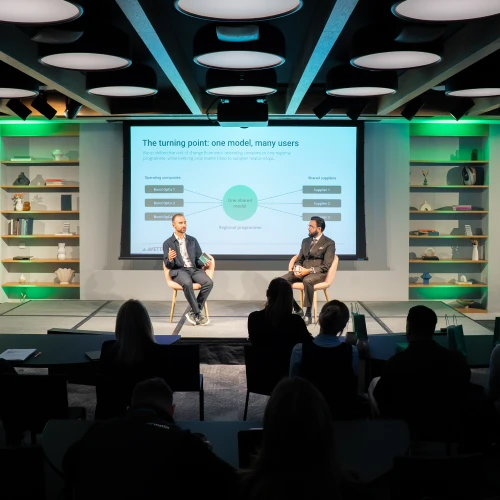
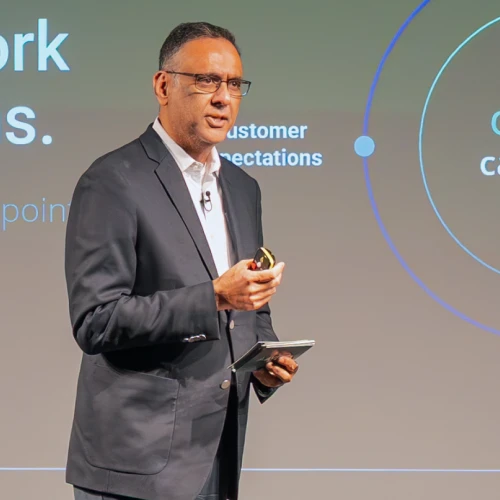
Avetta Summit London 2026 brought together customers, suppliers, partners, and industry leaders to explore a shared challenge: how can organisations make work readiness more practical, connected, and actionable?
Across the day, the conversation moved beyond compliance checklists. Leaders explored how strong foundations, better supplier visibility, proactive ESG risk management, responsible AI and market specific work readiness can help your organisation make safer, faster decisions.
Here are the key insights from the Summit and the actions you can take next.
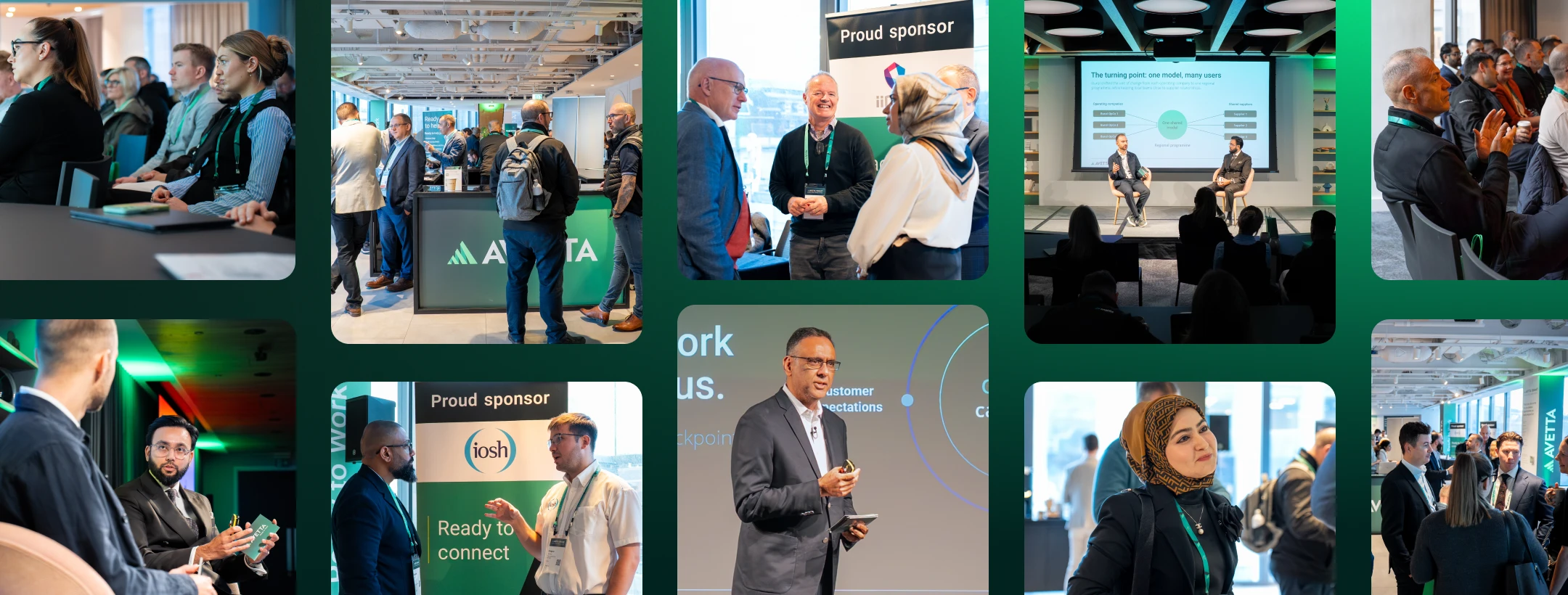
1. Strong foundations still matter
New technology can help organisations work smarter, but it can’t replace the fundamentals of safe work. Prequalification, insurance verification, worker management, audits, and worksite controls remain essential building blocks for operational readiness.
These foundations create a consistent baseline: the right people are qualified, the right information is available, and critical controls are in place before work begins. They also provide the trusted data organisations need to identify gaps and prioritise action.
For HSE, procurement, operations and risk leaders, the opportunity is to connect these activities rather than manage them as separate processes. When work readiness information is easier to access and understand, your teams can spend less time chasing evidence and more time preventing risk.
Action you should take now
Map the controls required before work starts, from insurance and worker verification to site specific requirements. Identify where information is fragmented, outdated, or difficult for your teams and suppliers to use.
2. Supplier visibility must extend beyond Tier 1
Many organisations have a clear view of their direct suppliers but less visibility into the subcontractors and extended supplier networks supporting critical work. That gap can make accountability difficult and leave risk hidden beyond the first tier.
The JLL story shared at Summit London showed the scale of the challenge. JLL’s UK property and asset management programme included 99 direct suppliers, 25 general contractors and 390 general contractor client sites. Across the wider network, the starting point was more than 2,000 connected suppliers, but there was no clear Tier 1 and Tier 2 classification, hierarchy between suppliers or supplier level approval status.
Creating that structure changed what JLL could see and manage. With the network organised into general contractors and subcontractors, compliance could be viewed at each level rather than assumed from the top.
The lesson isn’t simply that organisations need more supplier data. They need a team and a system they can rely on to connect relationships, clarify ownership, surface approval status and help decide what to do next. Supplier visibility is valuable when it supports faster assurance, stronger accountability and practical action.
Action you should take now
Review your most critical supplier networks and identify where Tier 2 and subcontractor relationships are unclear. Establish who’s accountable for each layer, compare compliance and maturity across the network, and prioritise the suppliers, worksites, and activities where limited visibility could create the greatest exposure.
3. ESG risk is easier to manage when it’s prioritised early
ESG questions often become urgent when a customer, regulator, investor or internal stakeholder requests an answer. By then, your teams are under pressure to find evidence, assess exposure and respond quickly.
The ESG workshop at Summit London focused on a more proactive approach: identifying the risks that matter most before the next urgent request arrives. A Supplier ESG Risk Diagnostic can help your organisation distinguish between immediate issues, emerging concerns, and longer term priorities.
This approach makes ESG more actionable. Instead of treating every risk as equally urgent, leaders can focus resources where they’ll have the greatest impact, while building a clearer view of how supplier, operational and regulatory risks connect.
Action you should take now
Create an ESG risk profile for your organisation. Group priority risks by time horizon, business impact, and level of supplier visibility, then assign an accountable owner for each area.
4. AI should help people decide what to do next
AI was a central theme in the conversation about the future of supply chain risk management. The most valuable applications aren’t about replacing human judgement. They’re about helping people find the right information, identify patterns, and decide what to do next.
That requires trusted data and connected systems. When information is incomplete, inconsistent, or isolated, automation can make it harder to distinguish signal from noise. When the underlying data is reliable, AI can help teams prioritise actions, reduce manual effort and respond more confidently.
We’re investing in practical AI capabilities designed to support your organisation as you work to keep people, businesses, and supply chains ready to work.
Action you should take now
Identify one high friction process, such as contractor onboarding, compliance tracking or supplier follow up. Define the decision your team needs to make, the data required to support it and where automation could improve speed without removing accountability.
5. Global expansion depends on market specific work readiness
Expanding into a new market isn’t simply a matter of applying an existing programme in a different location. Regulatory coverage, supplier experience, language, audit capability, and rollout sequencing all influence whether a programme works in practice.
You need a team you can rely on: people who understand the market, the regulations, and the realities of getting work done safely. Technology can connect requirements, supplier data, and workflows, but experienced experts are what help organisations interpret complexity, solve issues, and move from policy to practical action.
That combination of capability and expertise is critical to scaling readiness. A successful expansion balances consistency with local relevance, giving teams a clear global framework while providing the guidance and support needed to navigate local expectations. It also means involving local teams and suppliers early, validating requirements before launch and sequencing the rollout so adoption can keep pace with operational needs.
The result is a more resilient programme supported by the right people, processes, and technology, helping your organisation grow with confidence rather than creating additional friction.
Action you should take now
Before launching a readiness programme in a new market, assess regulatory requirements, language needs, supplier capability, and audit coverage. Identify where specialist expertise will be needed to support your teams and suppliers, then build the rollout around the realities of the market rather than the design of the central programme. Book a Global Readiness Workshop session with our experts.
Awards and recognition
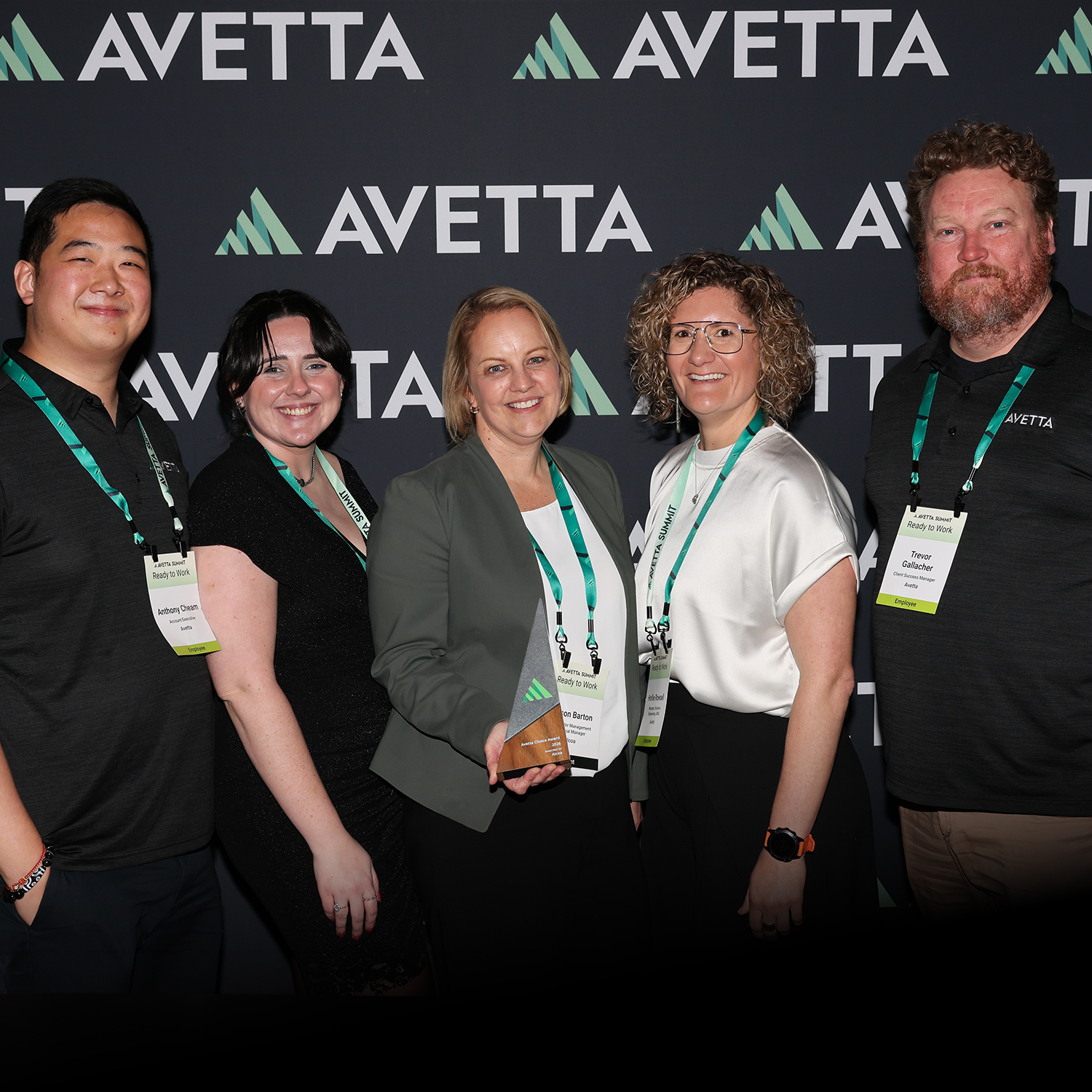
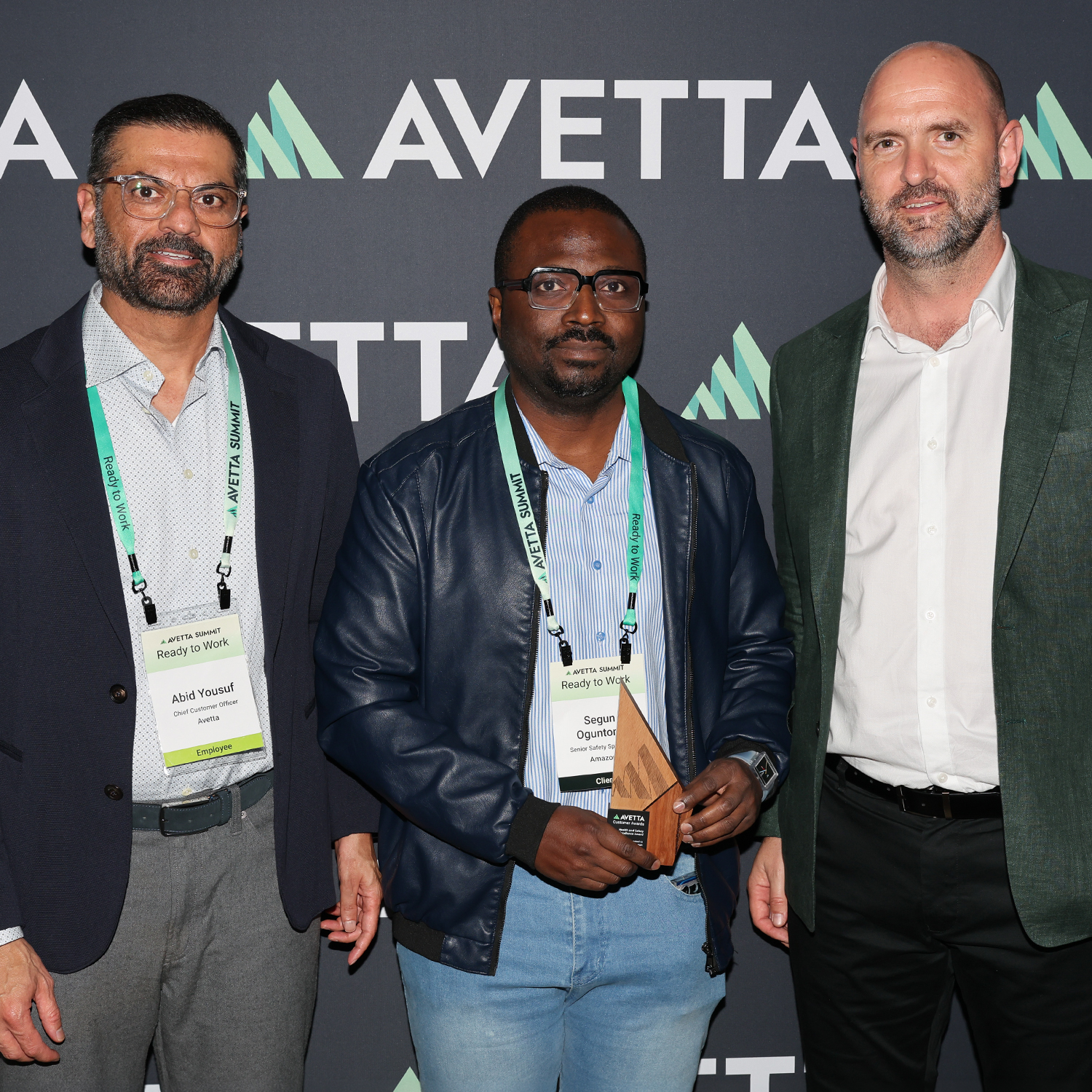
These awards celebrate the practical work behind operational excellence: building stronger supplier relationships, improving visibility, supporting safer work, and turning commitments into measurable progress.
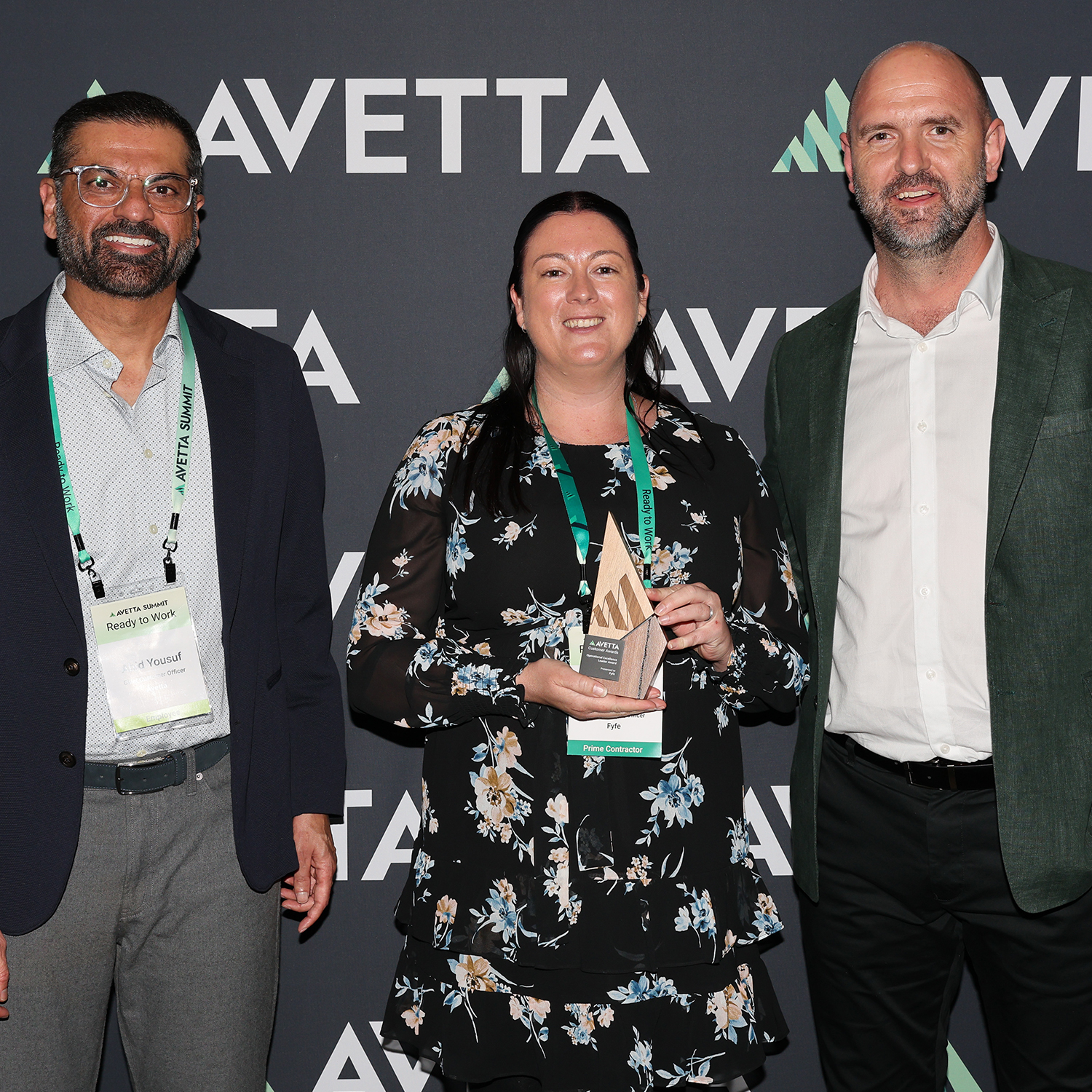
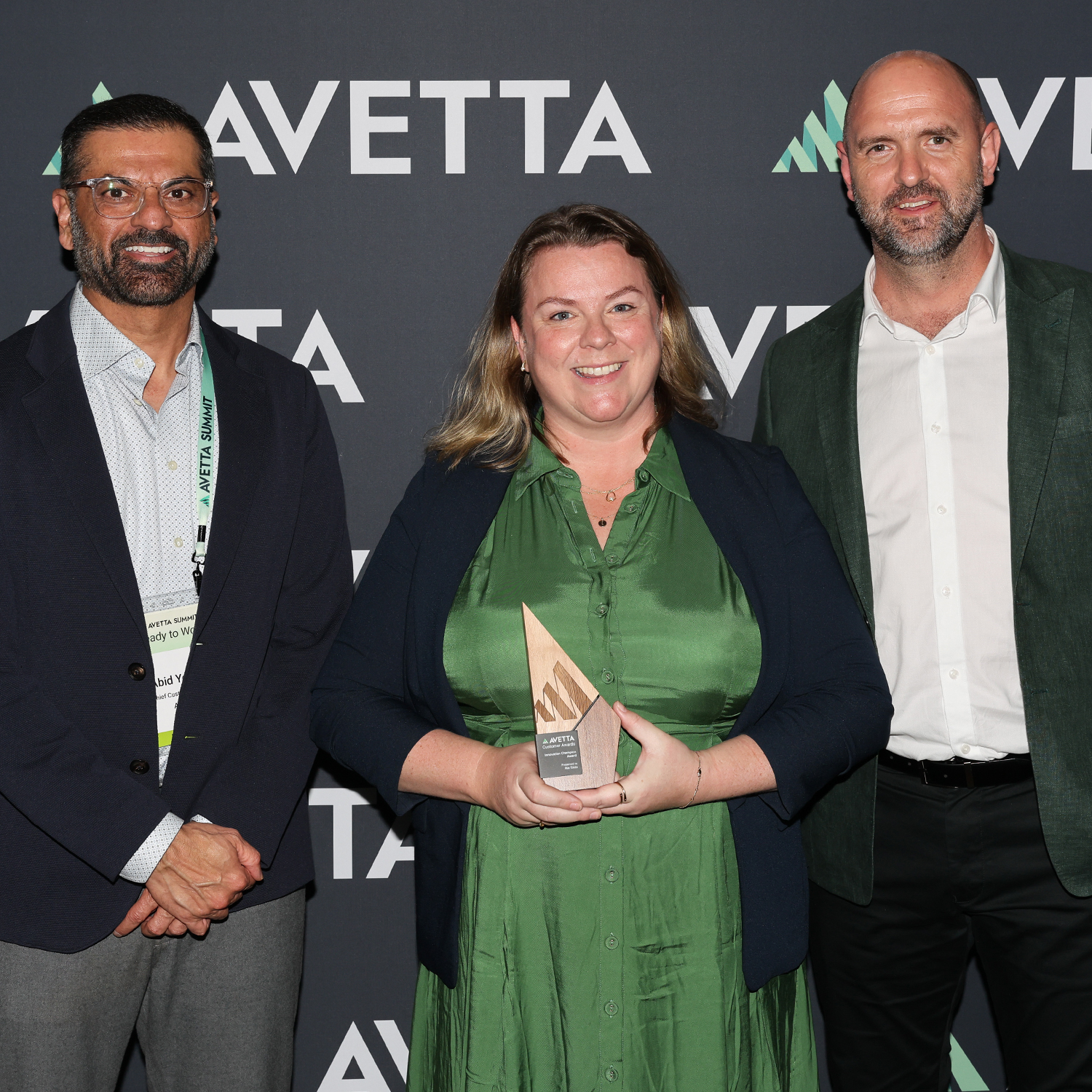

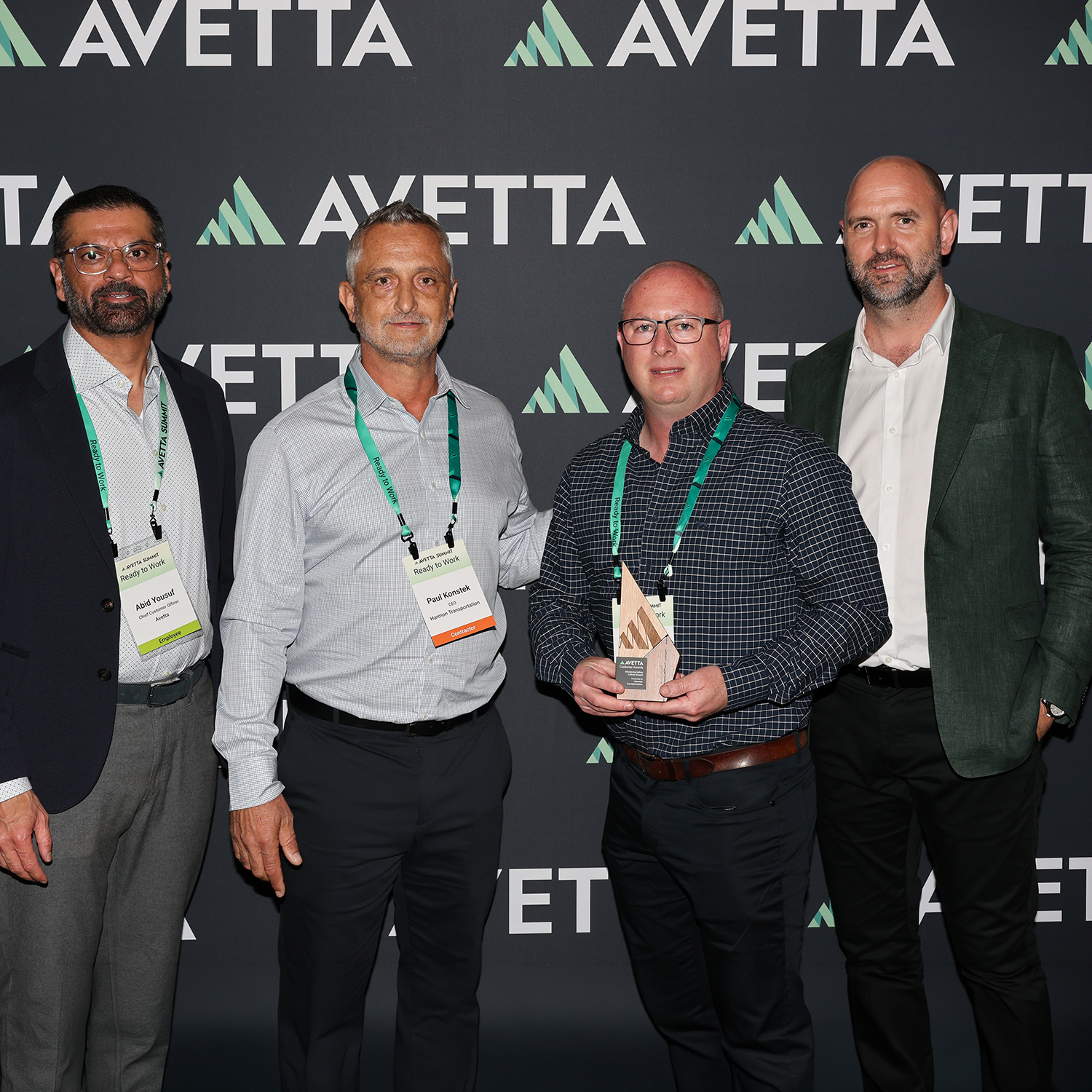





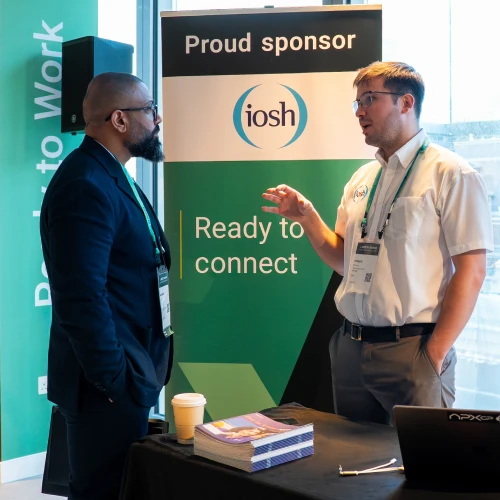


Thank you to everyone who joined us
Thank you to our customers, suppliers, speakers, partners, sponsors and attendees for contributing their experience and ideas to Avetta Summit London 2026.
Insert approved partner and sponsor acknowledgements here.
Add logos and event photography only where permissions are confirmed.
Insert approved partner and sponsor acknowledgements here.
Add logos and event photography only where permissions are confirmed.
CPD certification
As a reminder, the Avetta Summit London 2026 is CPD certified. You’re eligible to claim CPD points for your participation and can receive a digital certificate, which can be used to support your ongoing professional development.
You’ll receive an email from The CPD Certification Service when your certificate is ready to download.
You’ll receive an email from The CPD Certification Service when your certificate is ready to download.